The Best Tesla Alternative Electric Vehicles In 2024.

Introduction:

In the electric vehicles car market, many other great electric vehicle options have hit the market.

Electric Vehicles, loaded with various features and impressive ranges, like the Hyundai Ioniq 6, Kia EV6, and Chevrolet Blazer are hitting the electric vehicle market with attractive deals and financial offers.

TESLA:

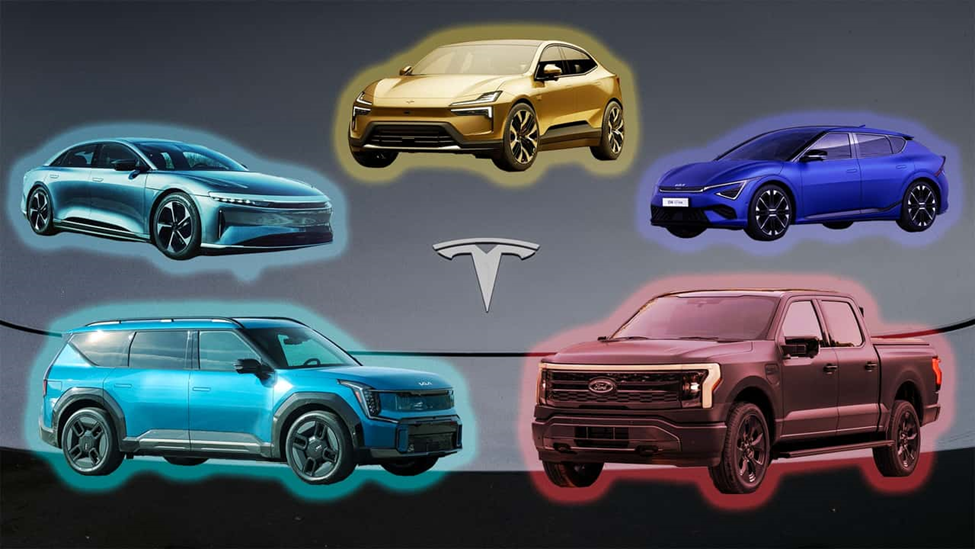
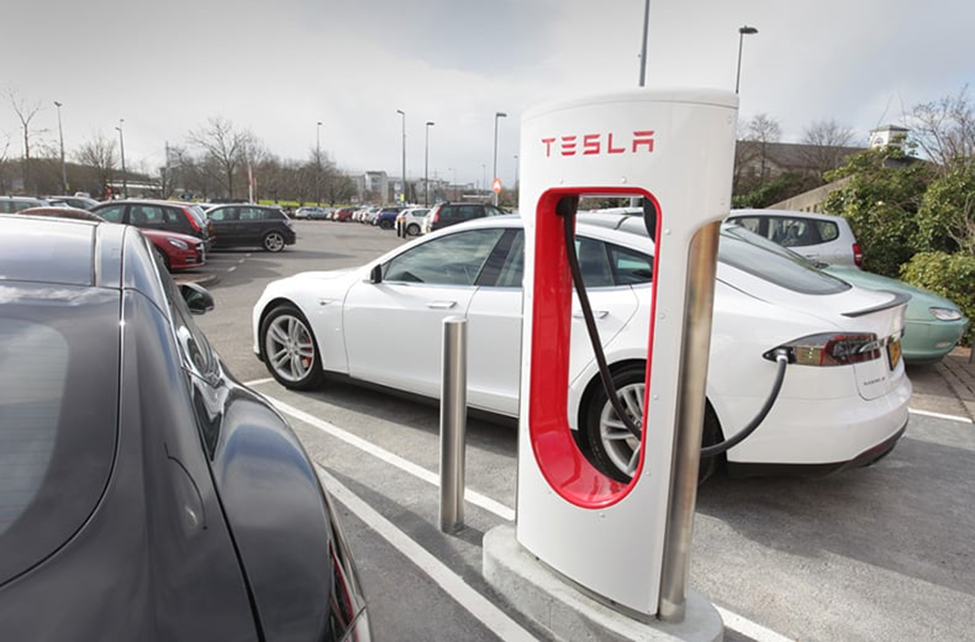
Tesla is the largest electric vehicle seller in the U.S. market. Still, some other best alternative manufacturers and models are also available to give tough competition to the leading EV manufacturer Tesla.

At the beginning of the EV era, Tesla was leading the other manufacturers, but now it does not have as big a lead over its competitors. Though its EVs are still among the best, competing automakers have trapped up and have even surpassed Tesla in some areas.

12 Rivals of TESLA Electric Vehicles is different Technical Aspects:

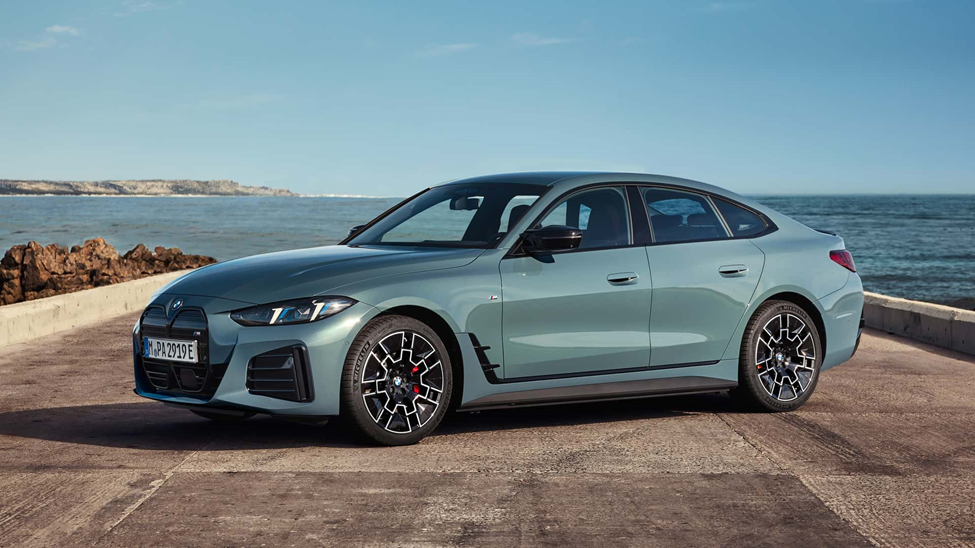
1. BMW i4 electric vehicles:

The BMW i4 is the main rival of the Tesla Model 3.

# The cost of the single model i4 e-drive 35 is $52,200.

# The sprint time of this model is the same as that of the base model 3

# The range is up to 276 miles.

The longest-range model is the dual-motor $61,600 i4 xDrive 40, with a claimed EPA range of up to 307 miles and an acceleration time of 4.9 seconds.

Specifications at a glance of BMW i4:

# BMW i4 offers:

 Power:  536 hp

 Sprint Time to 60 mph of 3.7 seconds.

2. Hyundai Ioniq 6 electric vehicles:

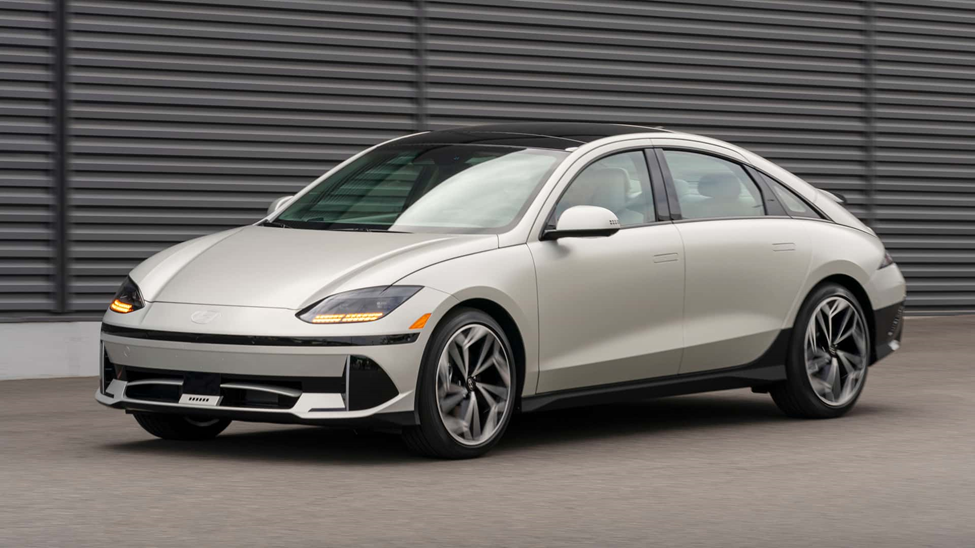
Electric Vehicles: Hyundai Ioniq 6

Hyundai Ioniq 6, is launched with an aerodynamic shape and looks like a pebble- a design that seems to split opinions.

The new Hyundai and Kia EVs are coming with an E-GMP platform. This platform runs on 800 volts, which makes the car quick to charge and efficient.

The cost of the Ioniq 6 starts at $ 37,500 and can give 240 miles of range from its 53-kilowatt-hour battery and just 150 horsepower from a single rear-mounted electric motor. It achieves 0 to 600 mph in around 805 seconds.

The variant SE of Ioniq 6 costs $ 42,450 and delivers a range of 361 miles & quick acceleration with 225 horsepower and a bigger battery of 77.4 kWh.

Specifications At a Glance of Hyundai Ionoq 6:

# Hyundai Ioniq 6 base Model:

Cost: $37500

Range: 240 miles

Battery: 53 kilowatt- hour

Power: 150 horsepower

# Hyundai Ioniq 6 SE Model:

Cost: $42450

Range: 361 miles

Battery: 77.4 kilowatt-hour

Power: 225 horsepower.

3. Polestar 2 Electric Vehicles:

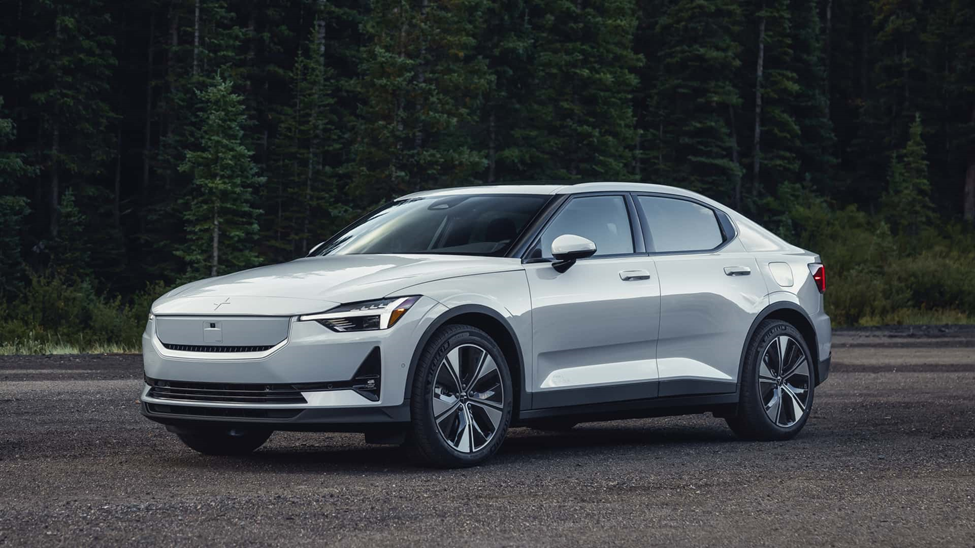
Electric Vehicles: Polestar 2

The Polestar is one of the bigger rivals of the Tesla Model 3, which was launched in 2020.

The single-motor, 299 hp model Polestar costs $49,900. Its sprint is 60mph in 5.9 seconds and its range is 320 miles.

The dual motor all-wheel drive polestar of 421 hp power and 276 miles range costs $55,300.

Specifications At a Glance of Polestar:

# Polestar Single-motor Model:

Cost: $49,900

Range: 320 miles

Power: 299 horsepower

# Polestar Dual-motor Model:

Cost: $55,300

Range: 276 miles

Power: 421 horsepower.


4. Hyundai Ioniq 5
:

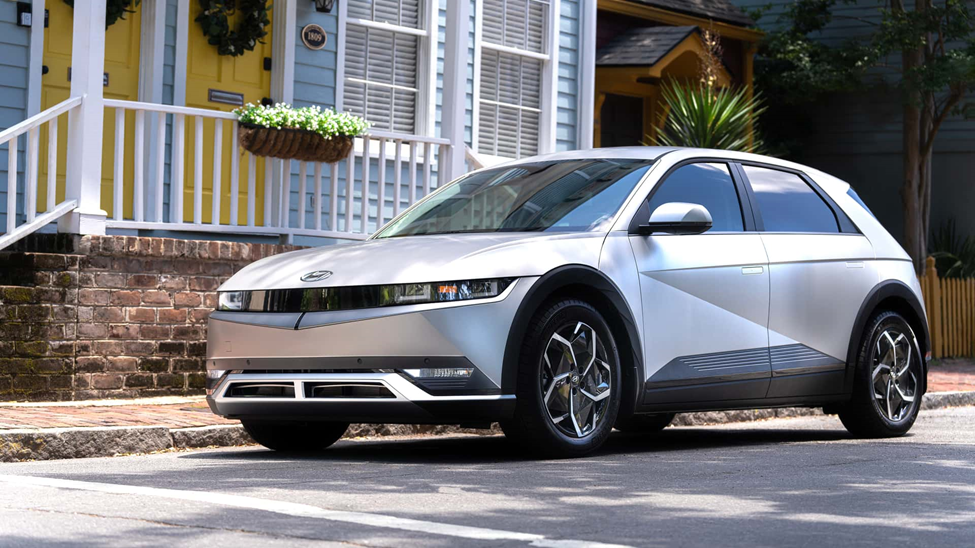
Electric Vehic;les: Hyundai Ionoq 5

The Hyundai Ioniq 5 is built on the same E-GMP platform as the Ioniq 6. The Ioniq 5 is the rival of the Tesla Model Y.

Specifications at a Glance of Hyundai Ionoq 5:

# Hyundai Ioniq 5 base Model:

Cost: $41,800

Range: 220 miles

Power: 168 horsepower.

5. Kia EV6:

The Kia EV6 is very similar to the Ioniq 5 and Ioniq 6 in terms of mechanical properties.

Its unique look is like the hi-tech rally car. It offers a more dynamic driving experience compared to its Hyundai counterparts.

Specifications at a Glance of Kia EV6:

# Kia EV6 base Model:

Cost: $43,000

Range: 232 miles

Battery: 58 kilowatt-hour

Power: 168 horsepower

# Kia EV6 Advanced Model:

Cost: $45,590

Range: 310 miles.

Power: 225 horsepower

Battery: 77.4 kilowatt-hour

# Kia EV6 Long Range AWD Model:

The long range AWD model adds a second motor on the front axle which gives 320hp in combination. Its range drops to 282 miles.

Cost: $49,850

Range: 282 miles Power: 320 horsepower.

6. Ford Mustang Mach-E:

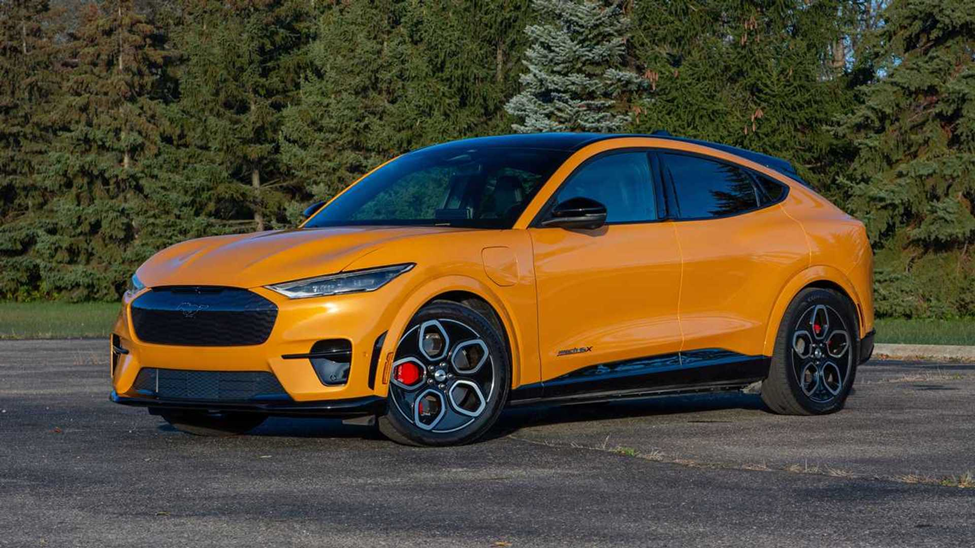
The Ford Motor is manufacturing one of the more fun to drive electric crossovers, the Mustang Mach-E. It’s interior is very impressive and coming with a decent Range.

Electric Vehicles: Ford Mustang Mach E

Specifications at a Ford Mustang Mach-E:

# Ford Mustang Mach-E base Model:

Cost: $41,990

Range: 250 miles

Battery: 58 kilowatt-hour

Power: 267 horsepower from a single rear-mounted electric motor

To upgrade for extended range of battery pack, it costs $45990 for a range up to 320 miles.

The drive unit gets more power to compensate for the heavier battery and still delivers a similar 6.1-second benchmark sprint time.

The Rally model Ford Mustang Mach-E, gives more power and allows you to have fun sliding around a dirt road at a vehicle cost of $60.900 only.

7. Chevrolet Equinox EV:

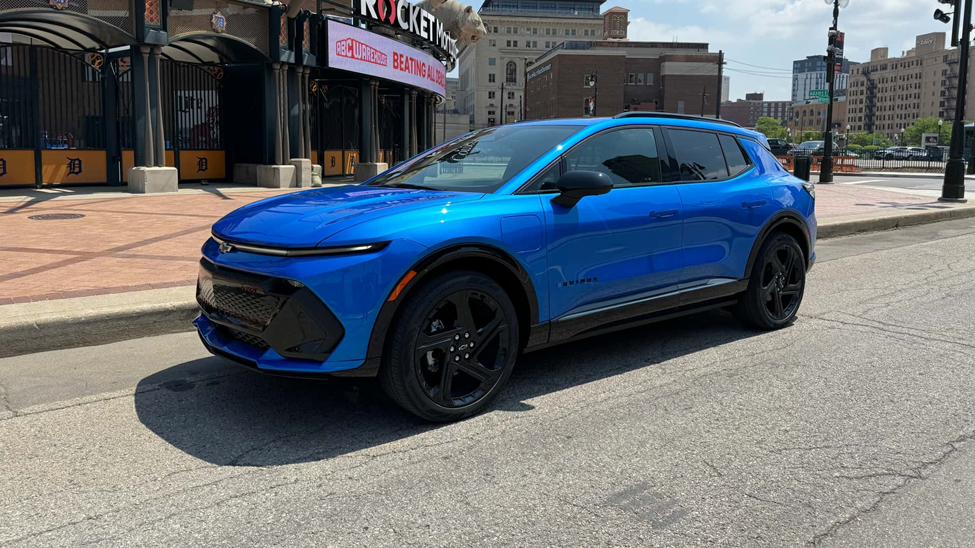
The Chevrolet Equinox EV is very much liked drive in most of the first drive experiences. It is normal in drive with breadth of capabilities.

Electric Vehicles:Chevrolet Equinox EV

Specifications at a Glance of Chevrolet Equinox EV:

# Chevrolet Equinox EV base front-wheel-drive Model:

Cost: $34,995

Range: 319 miles on a single charge

# Chevrolet Dual-motor 2LT Equinox EV all-wheel-drive Model:

Cost: $43,295

Range: 285 miles on a single charge

The price goes up to $46,795 for the top 3RS variant.

8. Polestar 4:

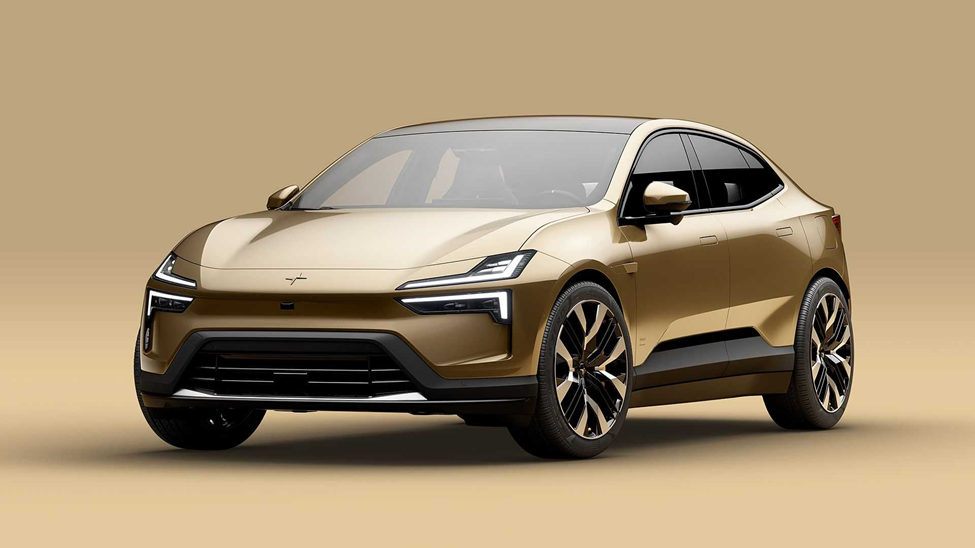
The Polestar 4 Crossover is a splash in the EV market. Its coupe-like rear end looks like the Model Y and Mach-E in terms of body style.

Electric Vehicles: Polestar 4

Specifications at a Glance of a Polestar 4 Crossover:

# Polestar 4 Crossover base Model:

Cost: $54,900

Range: 300 miles of EPA range

Power: 272 horsepower from a single rear-mounted electric motor

# Polestar 4 All-wheel-drive Model:

Cost: $62,900

Range: 270 miles.

Power: 544 horsepower.

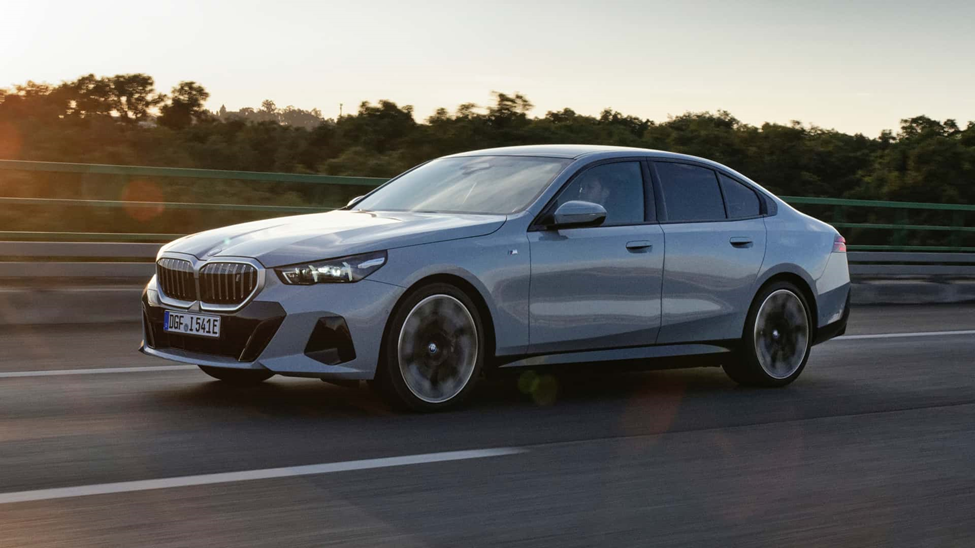
9. BMW i5 :

The BMW is manufacturing both the combustion and the electric versions of its 5 series sedan.

Electric Vehicles : BMW i5

Specifications at a Glance of a BMW:

# BMW i5 eDrive40 base Model:

Cost: $67,100

Range: 295 miles

Power: 335 horsepower from a single rear-mounted electric motor

Sprint: 0 to 60mph in 5.7 seconds

# BMW i5 xDrive40 all-wheel-drive Model:

Cost: $70,100

Range: 266 miles

Power: 389 horsepower

Sprint: 0 to 60mph in 5.2 seconds

# BMW i5 xDrive40 all-wheel-drive Model:

Cost: $70,100

Range: 266 miles

Power: 593 horsepower

Sprint: 0 to 60mph in 3.7 seconds

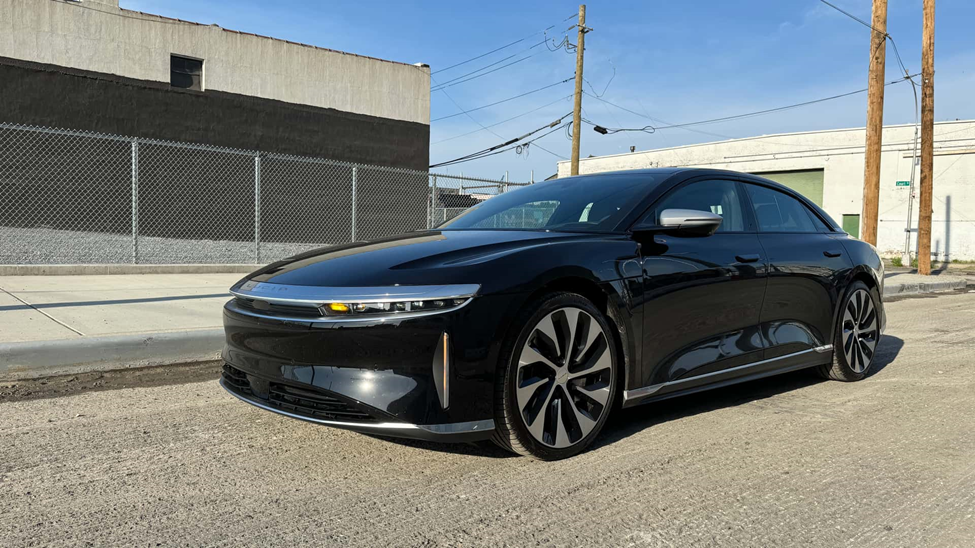
10. Lucid Air:

The luxury carmaker Lucid Air developed the most efficient and longest-range premium electric sedan on its proprietary platform of 900 volts. It is very comfortable, roomy inside, and even fun driving around a twisty road. This car provides balanced driving with precise steering that allows an accurate placement while operating on the road.

Specifications at a Glance of Lucid Air:

# Lucid Air Pure base Model:

Cost: $71,400

Range: 411 miles

Battery: 88 kWh

Sprint: 0 to 60mph in 4.5 seconds

# Lucid Air the Grand Touring Model:

Cost: $111,400

Range: 516 miles

Battery: 118 kWh

# Lucid Air Sapphire Model:

Cost: $250,500

The Lucid Air Sapphire is the top-performance model and is one of the quickest-accelerating cars on the planet with the combined power of three electric motors.

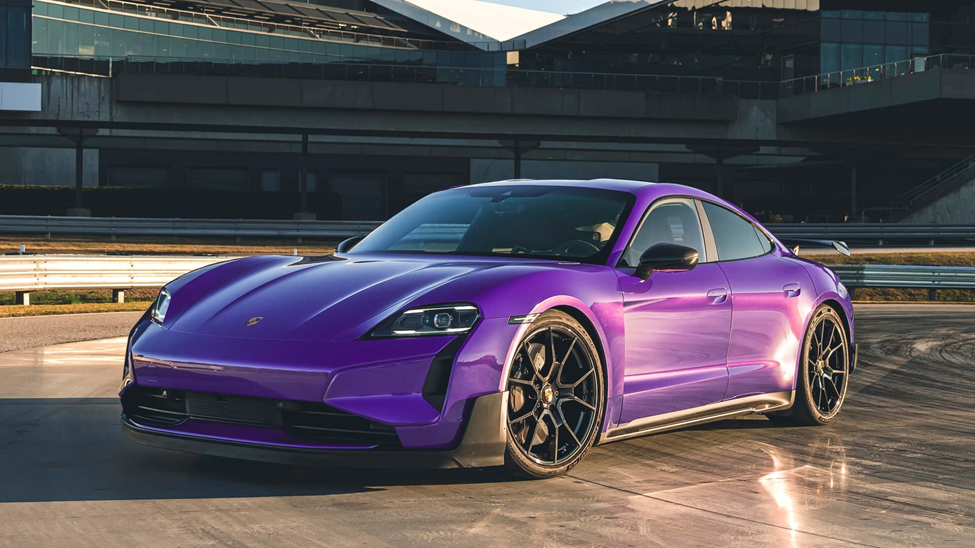
11. Porsche Taycan:

The Taycan was the only rival of the Tesla Model S, before the launch of Lucid Air and BMW i5.

Electric Vehicles: Porsche Taycan

Specifications at a Glance of Porsche Taycan:

# Porsche Taycan base Model:

Cost: $99,400

Range: 274 miles

Power: 402 hp from a single motor  

Sprint: 0 to 60mph in 4.5 seconds

# Porsche Taycan Turbo Model:

Cost: $173,600

Range: 292 miles

Power: 871 hp

Sprint: 0 to 60mph in 2.5 seconds

# Porsche Taycan Turbo S Model:

Cost: $209,000

Range: 266 miles

Power: 938 hp

Sprint: 0 to 60mph in 2.3 seconds.

12.Mercedes-Benz EQS:

Mercedes launched its electric vehicles in a similar look to its combustion engine cars. To make it aerodynamic efficient and to maximize its interior space its EQS sedan looks egg-shaped. It may not be the prettiest sedan, but it’s far from being a luxury EV, with a futuristic interior and plenty of range from its big battery pack.

Specifications at a Glance of Mercedes-Benz EQS:

# Mercedes-Benz EQS 450+ base Model:

Cost: $104,400

Range: 274 miles

Battery: 118 kWh

Power: 355 hp from a single motor rear wheel drive

# Mercedes-Benz EQS AMG Model:

Cost: $147,550

Range: 274 miles

Battery: 118 kWh

Power: 649 hp from a single motor rear wheel drive

Sprint: 0 to 60mph in 3.4 seconds

CONCLUSION:

Many top manufacturers are going ahead of TESLA in making electric vehicles and many are in the process just behind. There are many various best options to the consumers for going for an electric vehicle. Market is open and the manufacturers are in the race to compete with each other to give their best.

Maruti to introduce first Electric Vehicle:”A step for eco-friendly technology”

Introduction:

Electric Vehicle, Hybrids, Plug-in Hybrids, CNG, etc are the future of mobility. The world is working for clean, green, and sustainable energy sources. India is not far behind and in this, our automobile sector is trying to contribute through minimizing the use of fossil fuel in their upcoming vehicles. Many manufacturers like Tata Motors, Maruti, and Mahindra are already working and have even introduced their various models of alternate fuel vehicles on Indian roads.

Maruti Suzuki revealed intentions to introduce its first electric vehicle this financial year and promote diverse eco-friendly technologies like hybrid, biogas, and CNG to reduce emissions. Chairman RC Bhargava highlighted a diversified strategy to meet national objectives.

To produce and promote affordable small cars, the company aims to satisfy different market segments.

The country’s largest car maker Maruti Suzuki said it would launch its first electric vehicle in the local market in the ongoing financial year, and will simultaneously encourage customers to adopt eco-friendly technologies like a strong hybrid, biogas, flex fuel, and CNG which are available at varied price points to reduce emission and fuel consumption in the country.

Maruti Suzuki chairman RC Bhargava said in the annual report release, that a policy framework to accelerate the move towards these alternate technologies will help minimize sales of petrol and diesel vehicles and thereby reduce emission and fuel consumption.

Tax on Electric Vehicle In India:

In India, a reduced GST rate of 5% on Electric Vehicles is applied, compared to 28% (plus Cess) on hybrids. Several state governments extend additional incentives including waiver of registration charges on EVs.

The government has also accepted that in India there is a need to use different technologies, he said, adding” Some states like UP, have already taken steps in this direction. We now await a policy framework that would lead to the promotion of all technologies that result in petrol and diesel cars being replaced by cars using other technologies.”

Maruti’s Plan for Electric Vehicles:

Maruti Suzuki currently sells two strong hybrid vehicles- SUV Grand Vitara and MPV Invicto. The company has scheduled to launch its first EV later this fiscal and plans to have half a dozen models in the space by FY31.

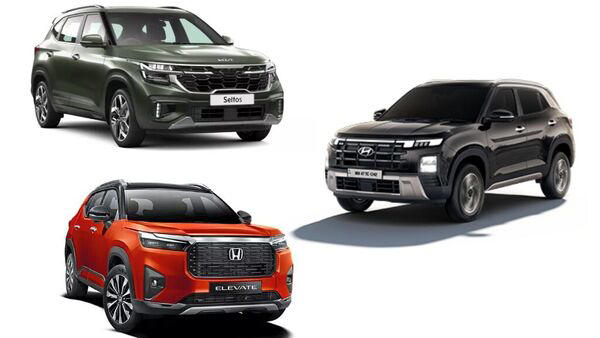
“Know The Best SUV In Fuel Economy Comparing Honda Elevate, Hyundai Creta And Kia Seltos…”

Introduction:

The best SUV, Kia Seltos and Hyundai Creta offer similar fuel economy, while the Honda Elevate offers slightly lower efficiency.© Provided by Hindustan Times

All three SUVs are good-running and popular in the Indian market. The Hyundai Creta is the largest-selling car in its segment. Kia Seltos is the other most popular car among SUV lovers, now Honda Elevate is competing with the former two makes. so let us compare its few specifications.

Comparison based on Powertrain:

Kia Seltos:

Kia Seltos is equipped with a 1.5-liter petrol motor and a diesel engine, with a six-speed manual and CVT gearbox options. The Seltos agitates out 113 bhp peak power and 144 Nm of maximum torque.

The Hyundai Creta’s 1.5-litre petrol engine generates the same power and torque figures, while the transmission choices for this SUV are the same as Kia Seltos.

The Honda Elevate comes with a sole 1.5-litre petrol engine that is available with transmission options of a six-speed manual gearbox and a CVT. The 1.5-litre naturally aspirated engine pumps out 120 bhp peak power and 145 Nm of maximum torque.

Comparison based on Fuel Economy:

The Kia Seltos petrol variant offers a fuel economy between 17.7 km/l and 17.9 km/l, depending on the different transmission-equipped variants.

Depending on variants, the Hyundai Creta petrol model offers fuel economy between 17.4 km/l and 18.4 km/l.

For the Honda Elevate SUV, the fuel economy stands between 15.31 km/l and 16.92 km/l, depending on different variants

7-Seater Indian Cars Under Rs. 8 Lakh In The Market…

Introduction:

The Indian market is flooded with cars ranging from approx.—Rs. 04 lakhs to Rs 04 Crore and even more. The Indians can choose any car as per their buying capacity and liking. However, for a middle-class family, a budget car is required, and a 7-seater budget car i.e. under a budget of 08 lakh is a good option.

As of now, there are three Indian cars, which come into this category:

 1. 7-Seater Maruti Ertiga:

Maruti is a well-known and established brand name Indian automobile market.

Maruti ertiga is a best-selling model of Maruti on Indian Road.

7-Seater Maruti Ertiga Key Details:

# Price Range: Rs 80.69 lakh to 13.03 lakh (Ex-Showroom Price)

# Models/ trims: LXi, VXi, ZXi and ZXi+

# Engine Power: 1.5-litre Petrol engine with a mild hybrid technology (103PS/137Nm)

# Drive Type: 5-speed manual or a 6-speed automatic transmission

The Maruti Ertiga is also available with a factory-fitted CNG kit with a mileage of 26.11km/kg. The key features of this CNG variant include a 7-inch touchscreen infotainment system with wireless Android Auto and Apple car play, cruise control paddle shifter, and automatic climate control systems.

2. 7-Seater Renault Triber:

Renault Triber is also a good choice for customers going for a 7-seater economical car.

7-Seater Maruti Ertiga Key Details:

# Price Range: Rs 6 lakh to 8098 lakh (ex-showroom)

# Color: The Renault Triber comes in five monotones and five dual-tone shades: Ice Cool White, Cedar Brown, Metal Mustard, Moonlight Silver, Stealth Black, and their respective combinations with a black roof.

# Power: Triber is powered by a 1-litre NA, 3-cylinder petrol engine producing 72 PS of power and 96 Nm of torque.

# Transmission: It is available with either a 5-speed manual or a 5-speed AMT.

Key Features:

The Key features of Renault Tribers include an 8-inch touchscreen infotainment system, Android Auto and Apple Car Play, a 7-inch digital driver’s display, and a wireless phone charger.

3. 7-Seater Maruti Ecco:

Maruti Ecco is another bestselling car of Maruti.

Key Details:

# Variants: The Maruti Ecco is Available in four variants:

  • 5-seater Standard (O),
  • 5-seater AC (O),
  • 5-seater AC CNG (O), and
  • 7-seater Standard (O),

# Price Range: The Maruti Eeco is priced from Rs 5.32 lakh to Rs 6.58 lakh (ex-showroom Delhi).

# Color: It comes with five monotone color options, including Metallic Brisk Blue, Metallic Glistening Grey, Metallic Silky Silver, Pearl Midnight Black, and Solid White.

# Engine Type: Maruti Eccocomes with a 1.2-litre petrol engine that generates 81 PS of power and 104.4 Nm of torque,

# Transmission: a 5-speed manual transmission.

Its CNG variant delivers 72 PS and 95 Nm, with 26.78 km/kg claimed fuel efficiency.

Key Features:

It includes a semi-digital speedometer, manual AC, and dual front airbags.

“Bajaj Auto Launched World’s First CNG Bike”-Clean Fuel Energy.

Introduction:

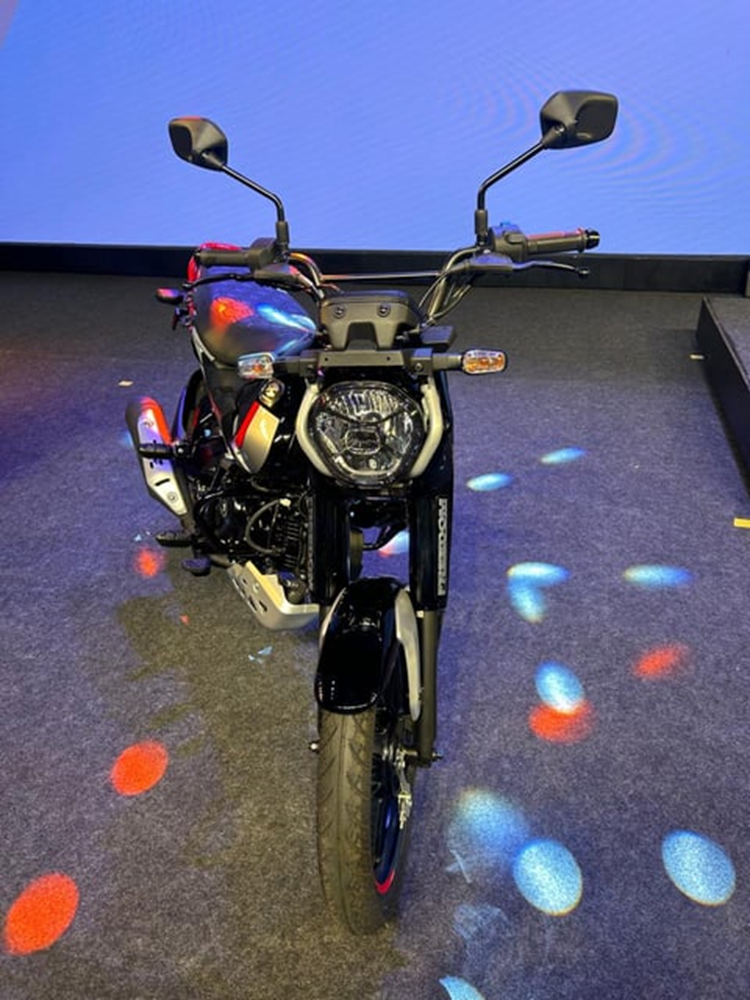
India’s oldest two-wheeler manufacturer Bajaj Auto has launched the world’s first CNG bike (Compressed Natural gas powered two-wheeler), named Freedom 125. The first compressed natural gas i.e. CNG powered bike will start at nearly Rs- 95000. This lowest-priced bike will be a revolution in the motorcycle market.

CNG Bike- Bajaj Freedom 125

Bajaj launches Freedom 125, world’s first CNG-powered bike

CNG Bike Key Features:

•        Telescopic front forks

•        Mono-link suspension

•        A front disc and rear drum brake setup

•        Engine up to 125 cc

•        Conventional fuel tank with CNG cylinder placed beneath

CNG Bike Color & Variants:

CNG Freedom 125 will be available in a total of six colors and three (03) Variants.

The three Variants with ex-showroom prices are

i) Drum@ Rs 95,000,

ii) Drum LED@ Rs 1.05 Lakh and

iii) Disc LED@ Rs 1.10 Lakh

Engine and Power:

A 125cc Single-Cylinder Engine

Power: 9.5PS

Torque: 9.7Nm

Fuel:

The motorcycle features dual-fuel capability, running on both petrol and Compressed Natural Gas (CNG) with a simple button switch.

Range/Mileage:

Bajaj claims it offers a mileage of 213 kilometers per kilogram of CNG. The bike boasts the longest seat in its segment, standing at 785mm.

Running Economy:

The operational cost of CNG two-wheelers would be approximately Re 1 per kilometer. The Freedom 125 includes a 2 kg CNG tank.

This bike, the company said, promises 50 per cent cost savings by reducing fuel expenses compared to petrol motorcycles. The CNG tank provides a range of over 200 km on 2 kg of CNG, while the 2-litre petrol tank offers an additional 130 km, culmi­nating in a total range of 330 km for a full tank, said the two-wheeler major.
 

Consumers save around Rs 15,000 annually on fuel bills, effectively recovering the cost difference between the CNG bike and its petrol counterpart, said Bajaj Auto, which is in discussions with oil marketing companies to expand the CNG station network and include dedicated two-wheeler segments for consumer convenience. 

Maintenance:

The company claimed the bike has a 50 percent lower maintenance cost than other bikes.

Manufacturing Strategies:

Bajaj Auto’s Executive Director Rakesh Sharma said we would initially produce 10,000 units of the Freedom 125 monthly, retailing in Gujarat and Maharashtra, with plans to scale up to 40,000 units by the financial year’s end. Executive Director Rakesh Sharma mentioned that the automaker is also considering more models with flexi-CNG-petrol technology if this product succeeds.

The company has identified six export markets for the bike, but the initial focus remains on India. “Then we will look at exporting to Egypt, Tanzania, Bangladesh, Indonesia, Columbia, and Peru,” Sharma said.

The CEO of Bajaj Auto, Mr. Rajiv Bajaj said that the bike is an avatar of freedom and freedom from petrol. “India can show the world how we can move away from petrol and diesel and move towards cleaner fuel.”

Speaking to ET Now, Bajaj Auto’s Executive Director Rakesh Sharma earlier “said that the Bajaj CNG bike is the outcome of a very intense exercise over the last two to three years.

“It addresses a very large market size. Almost 70% of the one million per month market of motorcycles has some level of sensitivity to fuel economy,” he had said.

Reference of the Article:

https://economictimes.indiatimes.com/industry/auto/two-wheelers-three-wheelers.

“Biden’s New 100% Tariff On Chinese Electric Vehicles Shuts Out Cheap Imports”

Introduction:

It is a well-known fact that China is famous for cheap goods, and by manufacturing any goods cheaply, China sells its goods all over the world and is weakening the economy of the whole world.
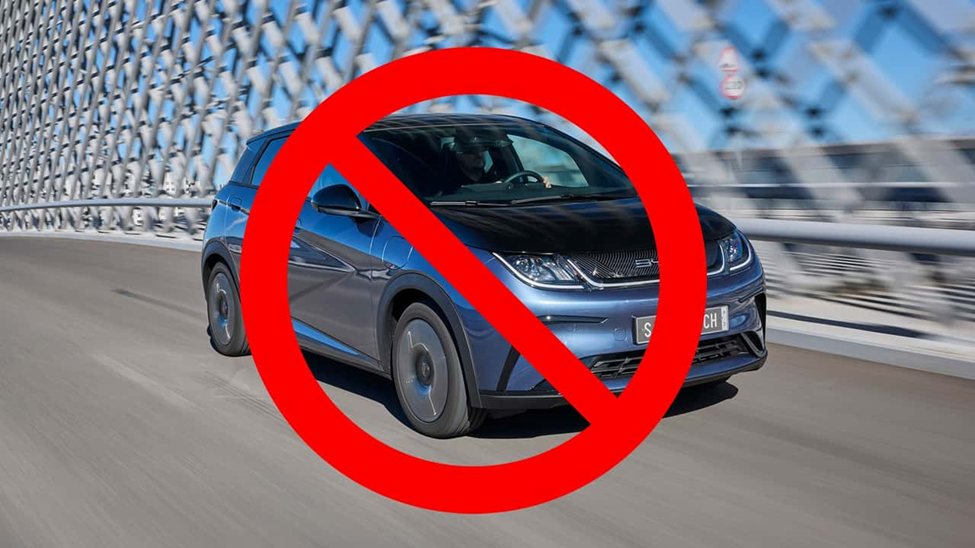
To maintain its reputation in the field of electric vehicles, China is selling cheap cars all over the world. Because of this, American President Joe Biden has proposed a 100% tax on Chinese cars. This step is to protect the US carmakers from cheap imports.

Electric Vehicles: 100% tariff for chionese cars

As per the sources, this is a preventive measure to stop the flood of Chinese goods in the U.S. market. A four-year review will follow this.

Range of Tariff on Electric Vehicles & Others:

On electric vehicles, the tariff will increase from 25% to 100%, a tax increase from 7.5%to 25% will be on lithium batteries, a 0 (zero) to 25% rise on critical minerals, and 25% to 50%, and 25% to 50% on Semiconductors.

U.S. President Joe Biden said that the increased tax is a proportionate response to China’s overloading capacity of the electric vehicle sector. As per the record, china produces 30m electric vehicles every year but manages a domestic sale of only 22m to 23m.

The new tariffs will kick in after 90 days– a period that will be closely watched for signs of tit-for-tat retaliation by China. White House sources said the aim was not to escalate trade tensions but to help parts of the US economy where there had been a cycle of disinvestment.

Beginning this year, all lithium-ion EV batteries from China will be subject to a 25% import duty.

According to Reuters, Chinese electric vehicle manufacturers have benefitted from $57 billion in government subsidies between 2016 and 2022, leading to an overproduction of Electric Vehicles, creating artificially low pricing that could choke out global competitors.

China’s response:

In response, China’s state spokesperson news outlet published an editorial, accusing the US of “discouraging fair trade and environmental protection”, while saying that US consumers would endure the most of the tariffs.

“Unfortunately, the United States is a country that advertises open economy and free trade, but its actions are against its words. It also promises that it does not seek to decouple from China and hinder China’s development, but its practices tell another story,”

Biden’s Reply:

Biden said he was “not looking for a fight with China” but that the US needed to stand up to China’s “unfair economic practices and industrial overcapacity”. “I’m looking for competition, but fair competition,” he said.

U.S. politicians and manufacturers already see Chinese Electric Vehicles as a serious threat.

Biden said, “My administration is combining investments in America with tariffs that are strategic and targeted. It’s a smart approach,”

The administration will also double tariffs on Chinese solar cell imports to 50%, a move meant to counter China’s dominance of solar production, which currently comprises about 70% of the global market.

The Biden administration says the move is an effort to protect American workers against unfair Chinese trade practices.“Bottom line, I want fair competition with China, not conflict,” Biden said. “And we’re in a stronger position to win that economic competition in the 21st century against China than anyone else because we’re investing in America again.”

Conclusions:

This is a very normal thing that any country to adopt whatever rules and regulations are possible to strengthen its economy and to grow and protect its manufacturing sector and tries to grow its economy. America is a strong country. Whatever appropriate rules it takes to counter China’s unfair trade policy and sell cheap and low-quality products in its country, it is a successful policy.

Know the difference between hybrid, plug-in hybrid, and Electric Cars.

Introduction: Electric cars, Hybrid cars & Plug-in Hybrid cars.

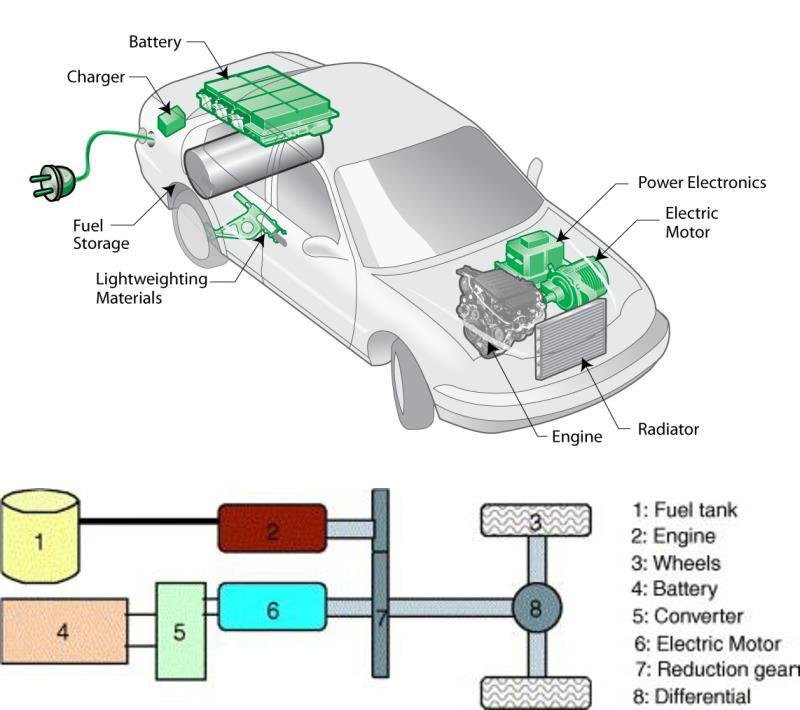
Hybrid cars also known as self-charging cars incorporate a small battery and an electric motor to boost efficiency. It requires a petrol or diesel engine as its primary propulsion and then runs in pure electric mode.

In plug-in hybrid vehicles, apart from petrol or diesel engines, a larger battery is also incorporated there, delivering an electric range of up to 50 miles, depending on its model.

The battery of a plug-in hybrid car is used to recharge with a home charging point or can also be charged using a public charging network.

Electric cars, battery electric vehicles, or all-electric battery vehicles depend completely on a battery pack as its means of propulsion. It must be plugged in when the battery is low on juice.

Remember this rule:

In a hybrid you cannot plug in, in a plug-in hybrid you should plug in, and in an electric car, you must plug in.

1. Hybrid Cars:

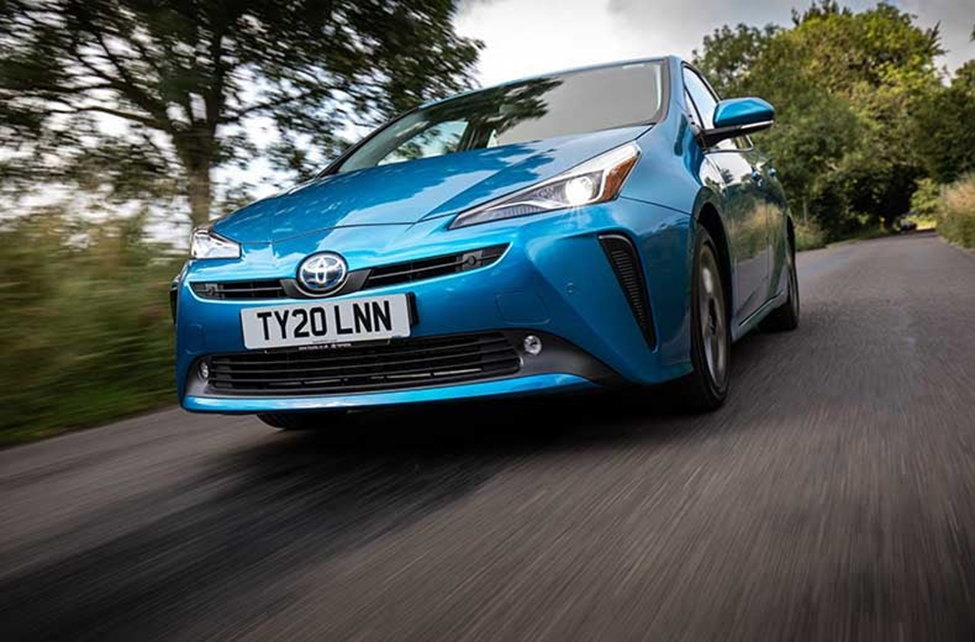
Electric Cars ,Hybrid Cars: Toyota Prius

The most famous hybrid car on the planet is Toyota Prius, which was launched in 1997. This was the world’s first mass-produced hybrid vehicle.

A hybrid car pairs an electric motor with a petrol or diesel engine. It means the driver has access to three forms of propulsion i.e. by engine, by pure electric, or both. Hybrid cars are more efficient and economical than conventional gas-powered engines.

Hybrid Cars: Pros and Cons:

Pros:

1. Familiarity:

The hybrid car is very familiar with the conventional gasoline-powered vehicles. While driving, you will not notice much difference between both and even need not to worry about recharging the battery.

2. Efficiency:

In hybrid vehicles, an electric motor is there to improve fuel economy and overall efficiency. Hybrids are more efficient than petrol, and more economical than diesel cars in the town.

Hybrid vehicles can recharge their batteries either by using an internal combustion engine or by regenerative braking. In regenerative braking, the energy that would have been lost under braking or when lifting off the accelerator pedal is diverted to the battery to power the electric motor.

3. Tax:

The government has announced Tax rebate on hybrid vehicles. As per rule, lower CO2 emission means lower vehicle excise duty (VED), especially in the first year of purchase of the vehicle.  

4. Towing:

For anyone looking for an electric car for towing, the hybrid car is the best choice. The maximum towing capacity might be slightly less in hybrid cars as compared to petrol or diesel cars but it is significantly more than of a pure electric car. Even many electric cars are not allowed and approved for towing purposes.

Cons:

1. Cost:

The cost of purchase is higher in the case of hybrid cars as compared to petrol or diesel cars.

2. Range:

The electric range of hybrids is very limited.

3. Ban:

As the government aims to go carbon neutral by 2050, The sale of new hybrid cars is to end in 2035 and petrol and diesel cars are already going to be a history after 2030.

2. Plug-in hybrid cars:

Electric cars Plug-in hybrid

The PHEV, a Plug-in hybrid vehicle is equipped with a battery pack to store and deliver power to an electric motor to run the petrol or diesel engine. The battery pack in the plug-in hybrid vehicle is recharged at home or a public charging network.

The plug-in hybrids are gaining popularity and in the U.K the Mitsubishi Outlander PHEV is the best-selling car model.

Because of a large battery pack, the plug-in hybrid vehicles travel more than the hybrid on electric power.

Generally, a plug-in hybrid car should go up to 20-30 miles of electric range, and in some brands and models, it can go up to even 50 miles of range. The BMW X5 xDrive45e claims a range of 54 miles.

Plug-in hybrid cars: pros and cons

Pros:

Backup engine:

In plug-in hybrid vehicles, the petrol or diesel engine supports the running range of the vehicle, and there is no range anxiety. When the battery is exhausted, the vehicle switches to a petrol or diesel engine. Moreover, refueling petrol or diesel is just like that of conventional gas-powered vehicles.

Less Fuel Consumption:

The plug-in hybrid cars typically start in electric mode and generally, people do not require running the gas engine to complete the shorter trips. Indeed, the average car’s daily trip is generally not more than 10 miles, and for this, the driver does not require switching the gas-powered engine.

Tax:

Especially for company car drivers, it matters great in tax benefits as the Lower CO2 emission means the Tax benefits are greater.

Lower Running Cost:

Driving of Plug-in Hybrid is as easy as a regular gasoline car, only you need to plug-in the vehicle as and when required. The combination of electric and petrol and diesel power delivers improved performance without the high running costs of a fast petrol car. Although, it is a very minor thing but in case if you don’t have access to a charging point, no need to worry much, you simply use the engine until you get home or find a charging station.

Cons:

Upfront cost:

The initial investment cost of a plug-in hybrid is a major drawback. For example, the cost of the Hyundai Ioniq hybrid is around £24,000, while the plug-in hybrid and electric versions are priced at around £30,500.

Change In Driving Habits:

The plug-in hybrid drivers will have to add in their habits of recharging their car before going for the next trip, otherwise, they will have to switch on the conventional gas engine petrol or diesel mode, which will be expensive. A plug-in hybrid is not the best choice if you are not using the battery mode.

Handling:

The Plug-in hybrids are fast in a straight line, with plenty of torque for swift overtaking. The weight of the big battery pack can have a slight disadvantage on the car’s ride and handling. They are less comfortable over pitted roads and more bulky when cornering.

3. Electric cars:

Electric Cars :Tesla

Electric Vehicles in India are growing rapidly. It is a demand to go green and save the environment with sustainable development. In this way, alternative fuel vehicles are in global demand. Electric vehicles are the most popular and adopted way to go green globally. In India, many Indian manufacturers as well as foreign investors have already launched many brands in the Indian Market.

India is growing their electric vehicles market in all segments like two-wheelers, Three-wheelers, four-wheelers, and commercial buses & trucks.

Indian Government has supported with several rebates like manufacturing rebates to the producers and tax rebates to the customers.

Electric cars: pros and cons:

Pros:

Incentives:

The government is offering a rebate of £2,500 towards the cost of new electric cars costing less than £35,000.

A separate grant of £350 is available via the electric vehicle home charge scheme when buying a home charge unit.

Tax:

The government taxes on the purchase of all-electric cars are meager and rebated. These vehicles qualify for the free VED (vehicle Excise duty), lowering the purchase cost.

Low Running Cost:

An electric car is always cheaper to run than a petrol or diesel car. It will be more economical if you charge at home and take advantage of special tariff offers to electric vehicle owners. 

The servicing and maintenance cost of electric vehicles is much less as there is no engine and hence no need to do periodic maintenance like lubrication, oiling, etc.

Air quality:

The main attraction of electric vehicles is their zero-emission quality, as there is no combustion engine and no tailpipe.

Driving experience:

The instant torque makes an electric car responsive and fun to drive and gives a great driving experience.

Cons:

Quoted range:

The range of electric cars is a major part of the concern. For a long go you, if your battery juiced, then there is no other option left with you, to go further.

With the range of available electric cars, you do not even think about running long in a single go.

.

Upfront Cost:

Although the running cost is lower in the case of electric cars, the initial upfront cost is big.

A figure of around £30,000 is more realistic, while some upmarket EVs break the £100,000 mark. 

Charging:

Anyone without access to a garage, driveway, or off-street parking might struggle to charge an electric car at home, and while the public charging network is getting better rapidly, some areas remain underserved, and there are some reports of inoperative charging units.

Conclusion:

So, if you are planning to go green on wheels and are willing to purchase an alternative fuel vehicle. Think once which one either hybrid, Plug-in hybrid, or electric vehicle is good for you? It all depends on your circumstances, so doing some planning and market surveys is essential.

If your daily running by car is within the city and not much more range is required, then go for the hybrid. A hybrid is a better alternative to a petrol or diesel car, for short trips and city movements.

A plug-in hybrid is an excellent route to a pure electric car, only you must plug it in, before your drive.

The pure all-electric car is the best alternative fuel vehicle with many new technological advances, government rebates, and support.

Top 5 most affordable Indian cars with sunroofs under Rs 10 lakh only

Introduction:

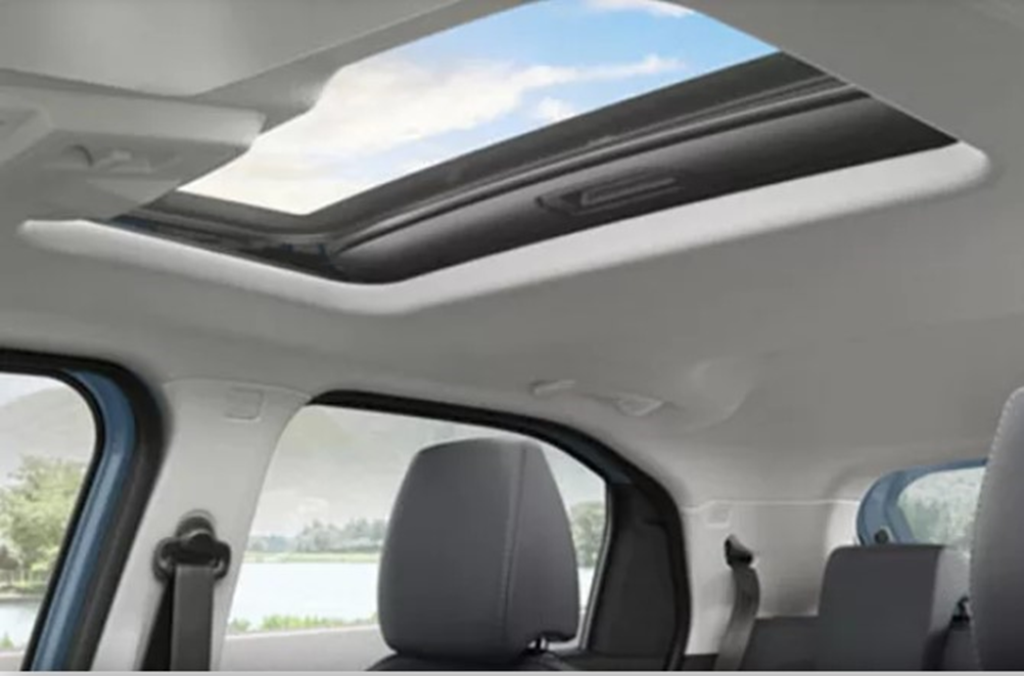
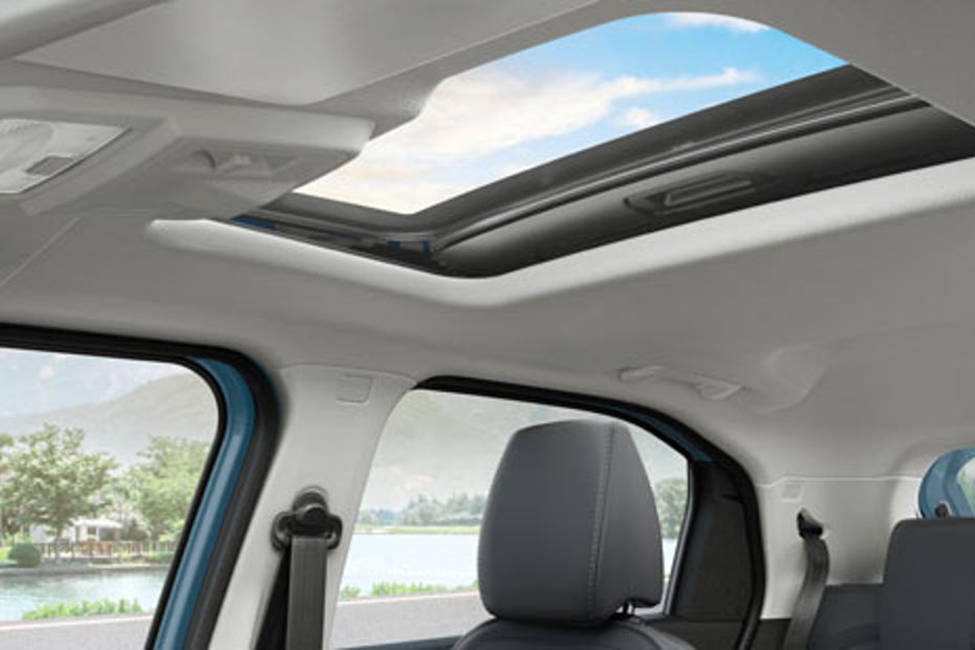
A few days back, sunroofs in cars were an exclusive luxury feature, now sunroofs are becoming a popular feature in cars. Initially, the sunroofs were coming with luxury cars priced over 15 lakhs, but now it is also coming with many mid-range cars under 10 lakh rupees. Sunroofs are still a selling point for many carmakers as they gained popularity over the last few years. The sunroofs allow fresh air and natural light into the car’s cabin, giving an open-air feeling to the passengers. A vehicle with a sunroof is always the first choice for many car buyers but their high price was always a concern for some people. Now it is no longer a dream for budget-conscious buyers as there are many options for cars with sunroofs under 10 lakh. Now, the sunroofs are coming with various petrol, diesel, CNG, and even Electric car models

Check the list below of some best cars under 10 lakh with sunroofs:

1. Tata Altroz With Sunroofs:

On Indian roads, the Tata Altroz is the most affordable and best-looking hatchback with sunroofs in India under rupees 10 lakh.

Tata Altroz now gets sunroofs for all 13 new variants across the petrol and diesel variants.

The following are the variant-wise prices of the new Tata Altroz variants (all prices, ex-showroom):

XM Plus (S) PetrolRs. 7.89 lakh
XMA Plus (S) PetrolRs. 9 lakh
XZ Plus (S) Petrol9.04 lakh
XZ Plus (S) DarkPetrolRs. 9.44 lakh
XZ Plus (O) (S) PetrolRs. 9.56 lakh
XZA Plus (S) PetrolRs. 10 lakh
XZA Plus (S) Dark PetrolRs. 10.24 lakh
XZA Plus (O) (S)PetrolRs. 10.56 lakh
XZ Plus i-Turbo (S) PetrolRs. 9.64 lakh
XZ Plus i-Turbo (S) Dark PetrolRs. 10 lakh
XM Plus (S) DieselRs. 9.25 lakh
XZ Plus (S) DieselRs. 10.39 lakh 
XZ Plus (S) Dark DieselRs. 10.74 lakh

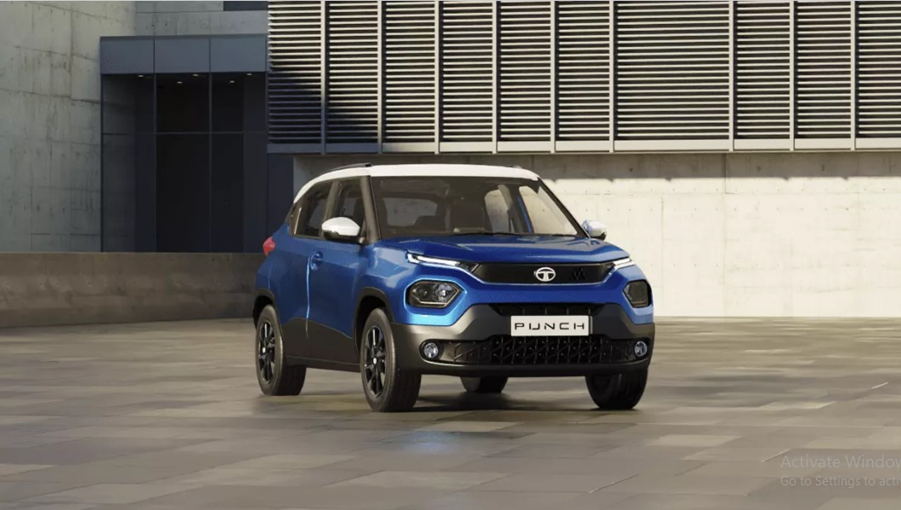
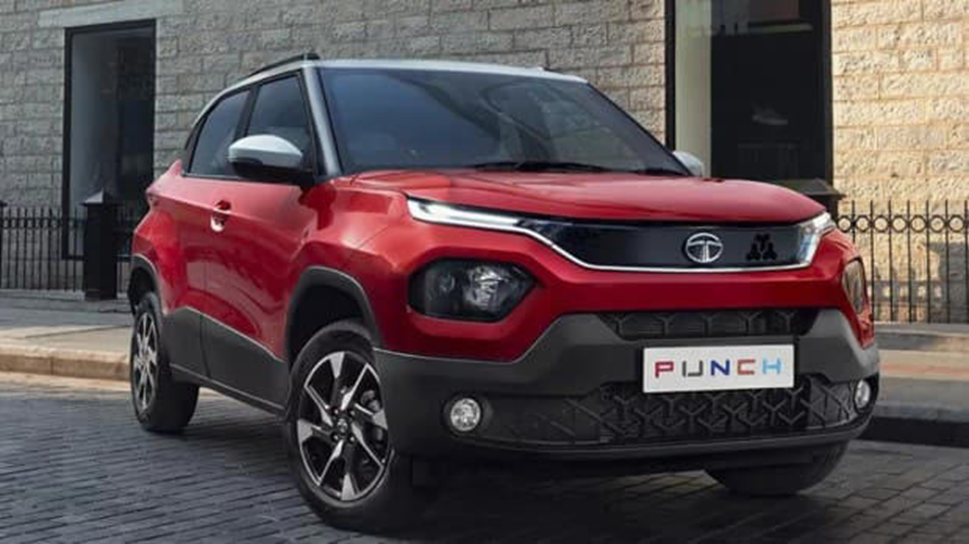
2. Tata Punch with Sunroofs:

Tata Punch (Image: Tata Motors)© Provided by The Financial Express

Sunroofs:Tata Punch

Tata Punch is a small and full-featured best-seller car of Tata Motors. The micro SUV is priced a Rs 6.12 lakh onwards ex-showroom and the variant that gets the sunroofs option is priced at Rs8.34 lakh onwards.

After launching the Punch CNG with a sunroof, Tata has now prolonged this feature to the regular petrol variants of the micro SUV.

The prices of the sunroof-equipped variants are given below:

Sunroof VariantsPriceDifference Over Corresponding Variant
Accomplished SRs 8.25 lakh+ Rs 50,000
Accomplished Dazzle SRs 8.65 lakh+ Rs 50,000
Accomplished S AMTRs 8.85 lakh+ Rs 50,000
Creative DT SRs 9.20 lakh+ Rs 45,000
Accomplished Dazzle S AMTRs 9.25 lakh+ Rs 50,000
Creative Flagship DTRs 9.50 lakhN.A.
All prices are ex-showroom Delhi

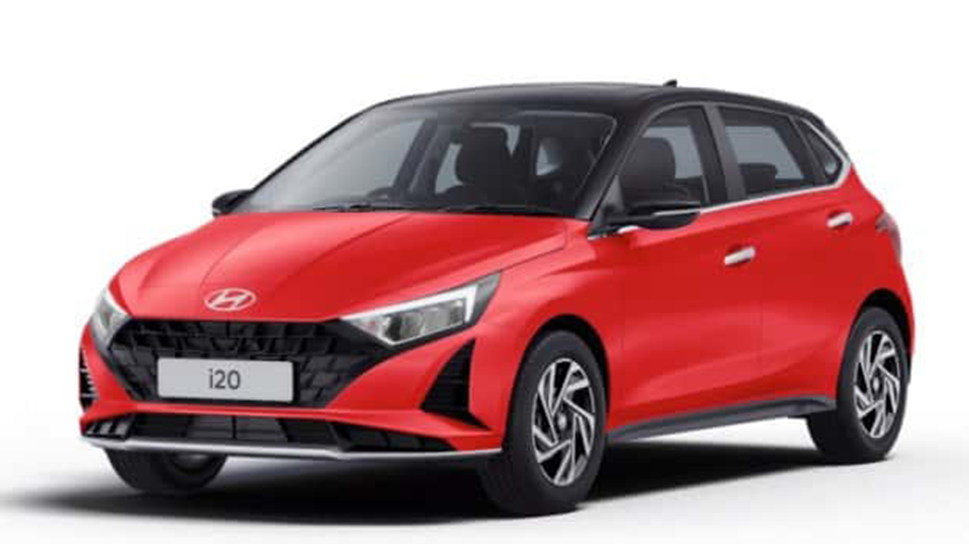
3. Hyundai i20 with sunroofs:

Sunroofs:Hyundai i20

The i20 is priced at Rs 7.04 lakh | Image: Hyundai© Provided by The Financial Express

The sunroof option is available in selected models of Hyundai i20 and is under 10 lakh and few variant comes around 10 lakh.

Variant NameEx-Showroom Price, IndiaSunroof/Moonroof
Sportz (O) 1.2 MT₹ 8.73 LakhElectrically Adjustable
Sportz (O) 1.2 MT Dual Tone₹ 8.88 LakhElectrically Adjustable
Asta 1.2 MT₹ 9.34 LakhElectrically Adjustable
Sportz (O) 1.2 IVT₹ 9.78 LakhElectrically Adjustable
Asta (O) 1.2 MT₹ 10.00 LakhElectrically Adjustable
Asta (O) 1.2 MT Dual Tone₹ 10.18 LakhElectrically Adjustable

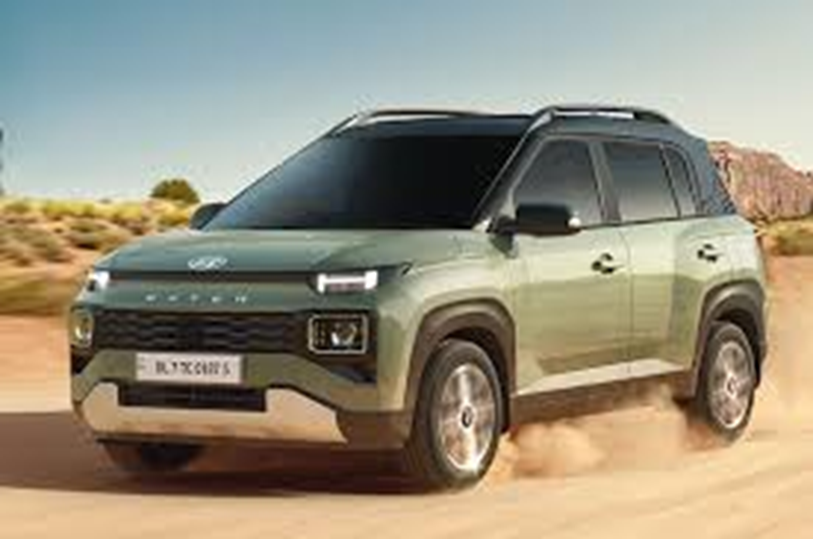
4. Hyundai Exter Sunroofs:

The Sunroof option is available in selected models of Hyundai Exter.

The variants below 10 lakh are:

Variant NameEx-Showroom Price, IndiaSunroof/Moonroof
SX 1.2 MT₹ 8.23 LakhElectrically Adjustable
SX 1.2 MT Dual Tone₹ 8.47 LakhElectrically Adjustable
SX (O) 1.2 MT₹ 8.87 Lakh  Electrically Adjustable
SX 1.2 AMT₹ 8.90 LakhElectrically Adjustable
SX 1.2 AMT Dual Tone₹ 9.15 LakhElectrically Adjustable
SX 1.2 CNG MT₹ 9.16 LakhElectrically Adjustable
SX (O) 1.2 AMT₹ 9.54 LakhElectrically Adjustable
SX (O) Connect 1.2 MT₹ 9.56 LakhElectrically Adjustable
SX (O) Connect 1.2 MT Dual Tone₹ 9.71 LakhElectrically Adjustable
SX (O) Connect 1.2 AMT₹ 10.00 LakhElectrically Adjustable
SX (O) Connect 1.2 AMT Dual Tone₹ 10.28 LakhElectrically Adjustable

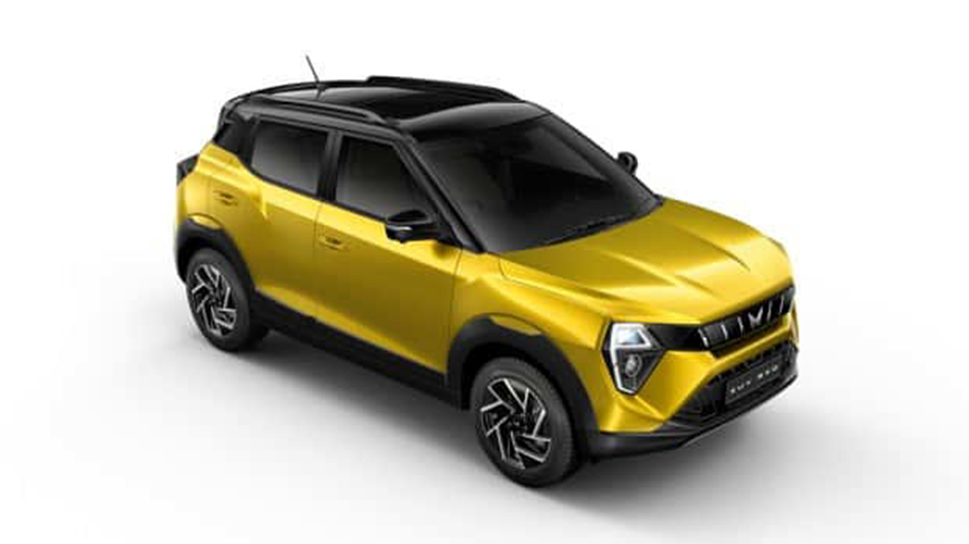
5. Mahindra XUV 3X0:

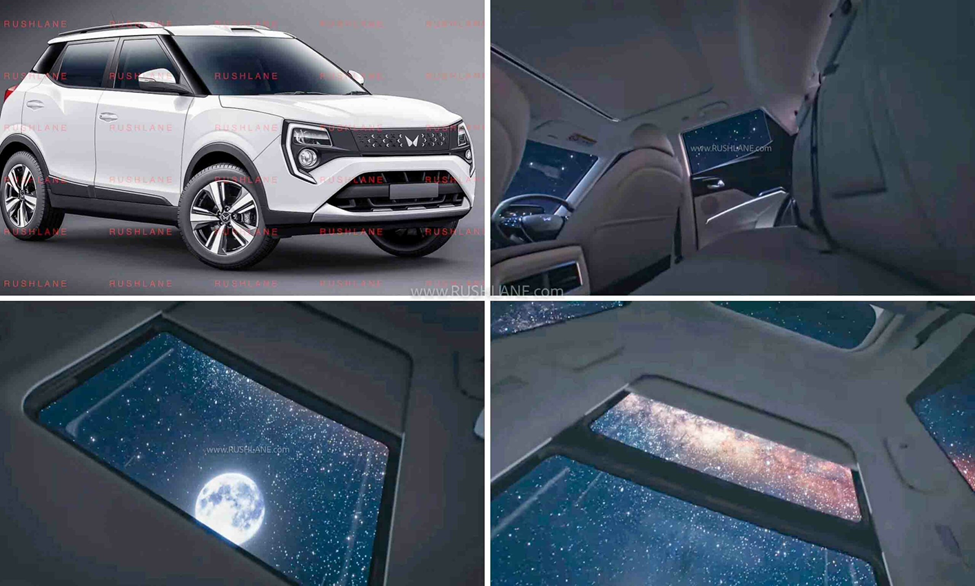
Sunroofs:Mahindra XUV 3XO

Mahindra XUV 3XO (Image: Mahindra)© Provided by The Financial Express

The fifth vehicle on the list is the newly launched Mahindra XUV 3XO, which, in essence, is the facelifted version of the XUV300. The Mahindra XUV 3XO’s prices start from Rs 7.49 lakh ex-showroom onwards, while the variant with a sunroof costs Rs 8.99 lakh ex-showroom, making it the most affordable sub-4 meter SUV in the segment. The Mahindra XUV 3XO is priced between ₹ 7.49 to 15.49 Lakh.

2024 Jeep Wagoneer S: A 300-Mile EV With Tons Of Speed

The All-New,
All-Electric Jeep Wagoneer S.

Fig: Jeep Wagoneer S Preproduction Model, the actual production vehicle and features may vary, coming late 2024.

The Jeep Wagoneer S is a premium SUV that offers excitement with every drive with fascinating all-electric vehicle performance,

Specifications Highlights of Jeep Wagabeer S:

  • 600 Horsepower and 617 LB-FT of Torque
  • 3.4-Second 0-60 MPH Time
  • 300-Mile All-Electric Range
  • Available Radar Red InteriorSegment-Exclusive 19-Speaker High-Performance McIntosh Audio System
  • Dual-Pane Panoramic Sunroof
  • 16-way Heated and Ventilated Power Adjustable Front Seats with Two-Way Lumbar Support, a Driver Memory Function, and a Massage Feature
  • Wagoneer S is the only Battery Electric Vehicle (BEV) in its class to have Standard Heated and Exclusive Standard Ventilated Rear Seats
  • Best-in-Class 45 Inches of Total Display Screen Area Among EV Models Segment-
  • Exclusive Among EVs Standard Front Passenger Interactive Display
  • Over 170 Standard and Available Safety and Security Features

Jeep wagoneer S : Al, electric Vehicles

With a standard heated and ventilated 16-way power-adjustable front seat that can give you a massage and standard heated and ventilated rear seats, the Wagoneer S offers specialized comfort wherever you sit.

Before you get behind the wheel, the Wagoneer S offers excitement at a glance.

This premium SUV surrounds the driver with passionate style and relaxing comfort by merging classic silhouettes with sleek modernism on its exterior and offering personalized satisfaction throughout its cabin.

Sleek, Magnetic Exterior Style of Jeep Wagoneer S:

Stunning From the Start:

The Wagoneer S uses ultramodern flair to redefine the concept of a premium SUV with 20-inch gloss black painted wheels, an illuminated grille, and dark gray metallic exterior accents.

Jeep wagoneer S : Magnetic Exterior Style

High Profile:

A sloping aerodynamic roofline cascades beneath a cantilevered rear spoiler, bridging function and aesthetics with its signature Wagoneer silhouette.

Jeep wagoneer S : aerodynamic roofline

Heavens Above:

Enjoy the freedom of open air, warming sun, and inspiring stars with the standard dual-pane sunroof.

Jeep wagoneer S : Dual Panel Sunroof

Best Face Forward:

Jeep wagoneer S : Best Face Forward

The iconic illuminated Seven-Slot Grill lives on, offering onlookers a stylish flash.

Adaptable interior comfort:

Entertainment System:

Jeep wagoneer S :Entertainment System

Exhilarating All- electric performance:

Jeep wagoneer S : Al, electric Vehicles

The All-electric Jeep Wagoneer Rane Is 300 miles in a single charge.

High Energy:

Jeep wagoneer S : High Energy Battery

The all-electric motor on the Wagoneer S carries powerhouse stats that speak for themselves.

Anticipate the Unpredictable:

Jeep wagoneer S : Traction Management System.

The traction management system drive mode offers specialized Auto, Snow, Sand, Sport, and ECO drive modes with the click of a dial, managing vehicle traction to help make sure you can handle whatever is around the bend.

Technological Freedom at your Fingertips:

Jeep wagoneer S : smartphone Enabled Technologies

Simplified Wireless Connectivity:

You can control your vehicle from your smartphone using the Jeep app, Whether scheduling a service appointment, viewing critical insides of your vehicle’s health, or using remote convenience features.

Remote Climate Activation:

Using the Jeep app, you can remotely cool down your vehicle on a hot day or heat it up in the cold by activating the climate control system.

With Just a Touch:

The Wagoneer S allows you to personalize your experience, from choosing your entertainment to accessing comfort settings and information about your trip.

Jeep wagoneer S :Touch screen

Charging Packages:

Jeep wagoneer S : Charging Port System.

The Wagoneer S lets you choose between two convenient Free2move Charge packages. The available Free2move Charge Home Package lets you charge your vehicle in approximately 2 hours via a 48-amp Level 2 charging station that can be professionally installed for an additional fee by the Jeep partners Or choose the available Free2move Charge Go Package, which includes $600 in charging credits to be used at public charging stations around the country.

References:

  1. www.jeep.com/wagoneer/wagoneer-s/technology.html

The U.S. Government Is Intended To Increase Tax Credit Eligibility By Relaxation In Electric Vehicles Battery Rules.

#Electric Vehicles News:

The U.S. government on Friday loosened some rules governing Electric Vehicles tax credits, potentially making more EVs eligible for credits of up to $7,500 but leading critics to accuse the Biden administration of helping China.

The Treasury Department announced final regulations for the credits under the 2022 Inflation Reduction Act, giving automakers more time to comply with some provisions about where battery minerals can come from.

Electric Vehicles Credit Range:

The credits range from $3,750 to $7,500 for new EVs. There’s also a $4,000 credit for used ones.

They’re aimed at juicing demand for EVs in an effort to reach a Biden administration goal that half of all new vehicle sales be electric by 2030. This year the credits are available at the time a vehicle is purchased from an authorized dealer rather than waiting for an income tax refund.

Qualifying for the credits depends on a person’s income, the price of the vehicles and requirements related to battery makeup and minerals that get tougher each year. To get the credits, EVs must be assembled in North America. Some plug-in hybrids also can qualify.

Starting this year, complex rules are being phased in to promote development of a domestic electric vehicle supply chain. The rules would limit EV buyers from claiming the full tax credit if they purchase cars containing battery materials from China and other nations “of concern” that are considered hostile to the United States. Those include Russia, North Korea and Iran.

Under the final rule, however, small amounts of graphite and other minerals used in batteries would be exempt from the restriction until 2027, because their country of origin is nearly impossible to trace, officials said. Without the exemption, some vehicles that met nearly all of the requirements could get knocked out of tax credit eligibility due to tiny amounts that couldn’t be traced, Treasury said.

The National Mining Association slammed the new exemptions as a giveaway to China.

“Congress created these tax incentives to secure our supply chains and generate American jobs while supporting EV adoption. They did not intend for loopholes to be created that essentially amount to a blank check from the American taxpayer to China,” said Rich Nolan, the mining lobby’s president and CEO.

West Virginia Sen. Joe Manchin, the Democratic chairman of the Senate Energy and Natural Resources Committee, said that through the new rule, the Biden administration “is effectively endorsing ‘made in China.’ ”

Manchin, who played a key role in passage of the Inflation Reduction Act, President Joe Biden’s landmark climate law, said the law specifically prohibits EVs that contain materials from foreign adversaries such as China and Russia from being eligible for the tax credit after 2024. “But now Treasury has provided a long-term pathway for these countries to remain in our supply chains. It’s outrageous and illegal,″ he said.

This year half of the critical minerals in an EV’s battery have to be mined or processed in the U.S., or a country with which it has a free trade agreement. Sixty percent of the battery parts have to be made or assembled in North America.

Starting in 2025, batteries with any critical minerals from nations of concern would not be eligible for any tax credits. But after getting comment from the auto industry and others, treasury officials decided to loosen that restriction.

The rule issued Friday is likely to make more EVs eligible for credits in 2025 and 2026, but the auto industry says that’s difficult to tell until automakers finish tracing the origin of all the minerals.

“The Electric Vehicles transition requires nothing short of a complete transformation of the U.S. industrial base,” John Bozzella, CEO of the Alliance for Automotive Innovation, a large industry trade group, said in a statement. “That’s a monumental task that won’t – and can’t – happen overnight.”

The rule change, he said, “makes good sense for investment, job creation and consumer EV adoption.”

At present, China dominates crucial parts of EV battery supply and production, even as automakers race to establish key mineral and components efforts elsewhere.

Of 114 EV models currently sold in the U.S., only 13 qualify for the full $7,500 credit, the automotive alliance said.

Despite the tax credits, sales of electric vehicles grew only 3.3% to nearly 270,000 from January through March of this year, far below the 47% growth that fueled record sales and a 7.6% market share last year. The slowdown, led by Tesla, confirms automakers’ fears that they moved too quickly to pursue EV buyers. The EV share of total U.S. sales fell to 7.15% in the first quarter, according to Motorintelligence.com.

“The Inflation Reduction Act’s clean vehicle credits save consumers up to $7,500 on a new vehicle, and hundreds of dollars per year on gas, while creating good paying jobs and strengthening our energy security,” Treasury Secretary Janet Yellen said in a statement.

Verified by MonsterInsights